

Goals are an important part of achieving what you want in life. Some people are very goal-oriented, while others need some additional support. Setting and achieving hoals is a great experience for teenagers because it can build good habits that they carry into adulthood. Teens hear so much about “big goals,” like college, careers, or success, but those can feel overwhelming or far away. Short-term goals feel more manageable, helping teens make progress and build confidence along the way.
Short-term goals don’t have to be big to make a difference. Small steps repeated consistently can build confidence, motivation, and real progress over time. When teens know how to set goals that work, they’re more likely to choose something they can realistically accomplish. Keep reading for plenty of short-term goal examples for teens.
Why Goals Fail Sometimes
People often struggle to reach goals that are too vague, like “do better in school.” Sometimes they choose goals that are too big or long-term without figuring out smaller steps to help them get there.
Other times, they may focus on feeling motivated rather than developing systems or habits they can stick with even when motivation fades. Another reason goals sometimes fail is that teens may fear failure or feel pressure to create perfect work, which can lead to frustration, especially in perfectionists.
In many instances, people don’t set goals. Instead, they state the outcome they’d like to see, which is an aspiration. This leads to failure because there isn’t a clear timeline or plan. Setting short-term goals can solve many of these problems, helping with progress and achievement.
Difference Between Goals and Aspirations
Aspirations are big dreams or long-term hopes for life, like “be a better athlete” or “become a journalist.” They offer direction, but aren’t specific actions that you can complete. Goals, on the other hand, are specific actions that help you reach aspirations and should usually be achievable in days, weeks, or months.
So, for example, if a teen’s aspiration is to get into a good college, one of their short-term goals could be to improve their math grade from a B- to an A.
How To Come Up With Good Short-Term Goals
Knowing how to create short-term goals that work can help teens come up with ideas they can follow, track, and complete. Their goal should also be something they’re excited about and gets them closer to their dreams and aspirations. Following the SMART goals framework is one of the best ways for teens to set goals and requires using the following guidelines:
- Specific: Instead of “practice more,” try “practice for 30 extra minutes each day.”
- Measurable: With a good short-term goal, you should be able to clearly see if you achieved it.
- Achievable: Your goals should be challenging but attainable. Start with a realistic goal for where you are now, and adjust later as you build skill and habit.
- Relevant: Choose a goal that is important to your life by thinking about how it can help you reach your aspirations.
- Time-bound: Your deadline could be the end of the week, the month, or before the end of the semester. Whatever the time frame, having a deadline helps make accomplishing the goal easier.
106 Short-Term Goal Examples for Teens
These short-term goal examples cover many areas of teen life, including school, health, friendships, responsibility, and creativity.
Short-Term Goal Ideas for School

Most teens are still regularly attending school, so it makes sense for some of their goals to be about academics. Here are some short-term goals relating to school.
- Turn in all assignments on time for the next two weeks.
- Improve a grade in one class.
- Study or review class notes for 20 minutes every night.
- Ask a teacher for help once this month.
- Organize your backpack and binder every Sunday.
- Finish all homework before dinner every day.
- Use a planner to track daily homework.
- Begin studying three days before each test.
- Apply for one scholarship each week.
- Finish the rough draft of an essay two days before it’s due.
- Complete a project one week before it’s due.
- Take organized notes in class every day.
- Learn and implement a new study technique.
Personal Growth Goals
A lot of goal-setting revolves around personal growth. While big goals can be intimidating, consider some of these smaller bite-sized goals!
- Read one non-assigned book this month.
- Try a new hobby or activity.
- Write in a journal three times a week.
- Learn ten new vocabulary words.
- Practice a new skill for 15 minutes each day.
- Write a to-do list every day.
- Watch a documentary about something you’re interested in.
- Start a passion project.
- Develop a morning routine and stick to it.
- Set up and follow a budget to save $20 each month.
- Write a resume in one week.
- Take one hour each weekend for personal reflection.
- Research three potential careers this month.
- Learn five phrases in a new language this month.
- Read for 20 minutes before bed each night.
- Create and use a monthly expense tracker.
Health and Wellness Goals

It is very common to want to improve one’s overall health and wellness. If this is an area where you’d like to improve, consider one of the short-term goals from the list below!
- Exercise three times each week.
- Get 10,000 steps each day for a week.
- Stretch for five minutes every morning.
- Go to bed 30 minutes earlier for the next week.
- Drink 80 ounces of water daily.
- Spend one less hour on social media each day.
- Cook two healthy meals this week.
- Only have one sugary drink per week this month.
- Try one new healthy snack this week.
- Spend one evening this week unplugged from social media.
- Say something kind to yourself each morning.
- Avoid screen time for one hour before bed.
- Practice mindfulness meditation for 10 minutes each day.
- Do yoga or Pilates daily.
Friendship and Social Goals
- Reach out to a friend you haven’t talked to in a while.
- Join a club or school activity.
- Introduce yourself to someone new.
- Plan a study session with friends.
- Compliment someone each day.
- Sit with someone different at lunch one day this week.
- Support a friend at a game, performance, or event this month.
- Plan a fun hangout with friends this month.
- Send a positive message to a friend once a week.
- Spend time with a friend in person this weekend who you usually text with.
- Set up a time to go for a walk with a friend this week.
Responsibility and Life Skills Goals
Developing life skills is an important part of being a teenager. These are skills you will use as you enter adulthood. From cooking, to laundry, these life skills make for great short-term goals!
- Clean your room up each night before bed.
- Save half of the money from allowance or a job.
- Help cook dinner twice this week.
- Create a weekly schedule and follow it.
- Do your chores immediately after school.
- Do your own laundry without help for one month.
- Help organize a shared space in your home.
- Write a thank-you note to someone who helped you this week.
- Pack your backpack and have it ready to go the night before school.
- Help with grocery shopping once a week.
- Make your own breakfast every school day this week.
- Make your bed every day.
Family Goals
- Spend 30 minutes talking with a family member without distractions this week.
- Help a sibling with homework once this week.
- Offer to clean up after dinner twice a week.
- Plan a family activity that everyone will enjoy this month.
- Do something special for a family member’s birthday.
- Learn to cook a cherished family recipe.
- Spend one hour a week doing something fun with your sibling.
- Call a grandparent one time this week.
- Plan a family movie night this weekend.
- Help a family member with a task this week.
- Plan a weekend getaway.
Artistic Short Term Goal Ideas for Teens
- Write a short story or poem.
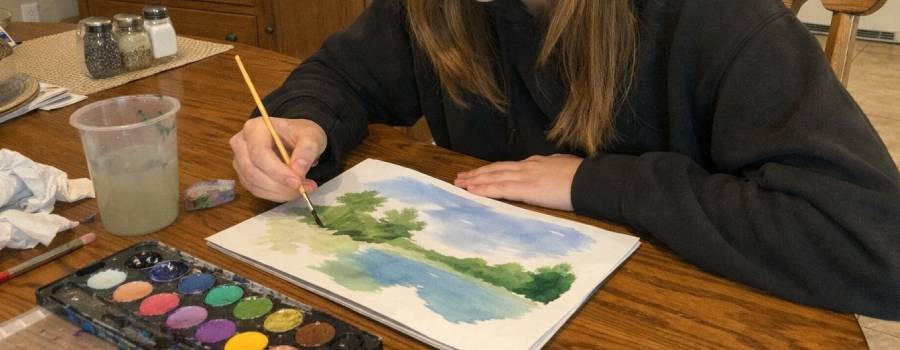
- Do something creative for ten minutes each day, like drawing or painting.
- Learn one new song on an instrument.
- Start a creative journal and add to it once a week.
- Try a new art style or medium.
- Take five photos of things that inspire you this week.
- Finish a creative project by the end of the month.
- Create a playlist that matches a specific mood or activity.
- Try a new book genre this month.
- Start a positive news scrapbook and add to it each month.
- Enter a competition with a writing or art project.
Confidence and Mindset Goals
- Try something outside your comfort zone one time each month.
- Speak up in each class at least once a week.
- Write down three positive things each day.
- Write something you’re grateful for at the end of each day.
- Replace negative self-talk with positive statements.
- Practice a presentation out loud three times.
- Reflect on one success each day.
- Practice public speaking for five minutes four days this week.
- Volunteer to lead a group project this month.
- Write down one thing you like about yourself every day.
- Repeat positive affirmations each morning in front of the mirror.
Community and Kindness Goals
There are plenty of benefits to doing volunteer work in your community. If you’d like to get involve and make the world a better place, consider some of the goal examples below!
- Volunteer for three hours this month.
- Help a neighbor with a task this week.
- Donate clothing once this month.
- Write a thank-you note to a teacher for their positive influence in your life.
- Pick up litter for 20 minutes at a local park this weekend.
- Support a fundraiser this month.
- Do three random acts of kindness this week.
Final Thoughts on Achieving Short-Term Goals
Big accomplishments happen after being built from small, consistent steps, or short-term goals. Start with one or two of these short-term goal examples instead of overloading yourself with too many. You want goals to feel manageable and not overwhelming, and you can always add more later.
Teens should write down their goals or share them with a friend, parent, or teacher for accountability. Remember, progress matters more than perfection, so it’s okay if it doesn’t go as planned the first time. Failure is part of the learning process, and each attempt helps you improve. Each bit of progress gets your teen closer to where they want to be.