
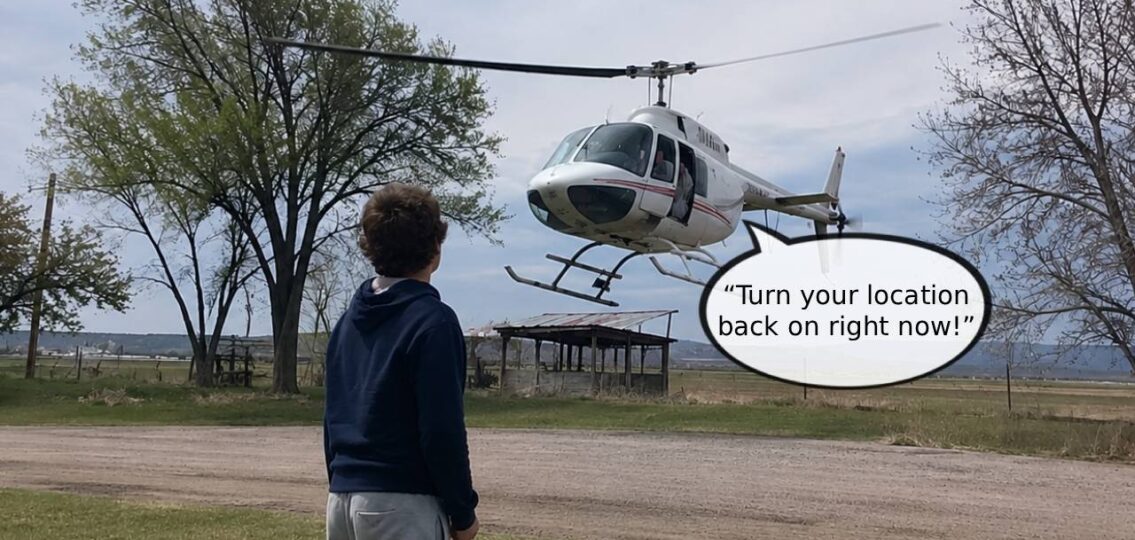
Most parents want to help their children, but there’s a fine line between helping and doing too much. With pressures like safety, academics, and social media, it’s hard to let go and allow your teens to live independently. Sometimes it leads to helicopter parenting, which may seem like a benefit but can impact your child long-term.
Here’s what helicopter parenting is, signs to watch for, how it impacts teens, and how to shift away from it.
What is a Helicopter Parent?
A helicopter parent is overly involved in their child’s life, stepping in to manage every little aspect. They tend to hover and manage their child’s experiences and decisions, including in social situations, at school with academics, their daily activities, and more. These parents are extremely overprotective and try to solve every problem for their child and control the outcomes.
Helicopter parenting often starts at an early age and continues into college and often adulthood, with parents calling professors for their child and still trying to manage their schedules.
Examples of Helicopter Parenting
- Emailing teachers about grades, assignments, and minor issues
- Managing teen friendships or conflicts
- Obsessively tracking kid’s location
- Over-scheduling or directing activities
- Stepping in too quickly to solve problems
- Monitoring grades obsessively
- Doing basic tasks for them that they can handle themselves
- Putting too much pressure on performance
- Rewriting an email your teen wrote
Why Do Parents Become Helicopter Parents?
Parents become helicopter parents for a few well-intentioned reasons, including fear-based parenting. When a parent is afraid for their child’s safety, worries about failure, or stresses about future success, it can lead to hovering and controlling a bit too much.
Cultural pressure and comparison on things like social media and college admissions can also play a role, along with a parent wanting to overcompensate and give their kids more than they had.
Even peer pressure from other parents can lead to becoming over-involved. If you see other parents being that way, it can make you feel like you have to do more until it becomes too much.
How Does Helicopter Parenting Affect Teens?
Being an engaged parent isn’t a bad thing, it can help your child feel loved, accepted, and have more self-confidence. However, if you cross the line and start being over-involved, it could cause problems for your child.
Teens with helicopter parents, no matter how well-intentioned, may experience anxiety, low confidence, and lack of independence. They tend to lack problem-solving skills and be unprepared for college or adulthood. It often makes it hard for them to cope with challenges, and they may experience mental health issues because of it. Your teen may also end up feeling like you don’t trust them to do things on their own. It can even lead to them feeling entitled in life since they became used to their parent ensuring they get exactly what they want. They’ll expect others to step in and fix their problems and won’t know how to speak up for themselves or ask questions.
Are There Any Benefits to Helicopter Parenting?
There are some instances when offering closer support may be helpful, but over-involvement can backfire. It’s important to find a balance and recognize when you should take a step back and let your teen figure things out themselves.
The children of helicopter parents are more likely to be on time, have their assignments completed, and be completely prepared for any activity. They get lots of support and guidance, and their parents tend to know who they’re with and if they’re going through something. The problem arises when you go from being involved to overly involved, standing in the way of your child handling things for themselves.
Signs of a Helicopter Parent
Helicopter parents oftentimes don’t realize that they are crossing a line and harming their kids. These signs may indicate you should step back and give your teen more control and autonomy.
- You try solving your teens’ problems for them
- Your teen avoids responsibility
- You feel anxious when you’re not in control
- Being over-involved in their extracurriculars
- Your child isn’t learning how to cope independently
- You choose your teen’s hobbies and schedule
How to Stop Helicopter Parenting
If you’re ready to stop helicopter parenting, focus on practical, realistic steps. Start by pausing before stepping in, and safely allow natural consequences to happen. This helps your teen learn so they can do better in the future. You should also encourage decision-making rather than making decisions for them. Instead of rushing to fix their problems, shift to coaching them through.
Building trust and communication with your teen will make this process easier. If they feel comfortable talking to you, they’ll come to you when they need to talk. Instead of telling them what to do, you can ask questions that help guide them to come up with solutions on their own. It helps you stay connected with your teen without controlling things.
You’ll sometimes have to let your child struggle a little, allow them to be disappointed, and help them work through setbacks. It’s important for them to do these things so that they can learn and grow.