
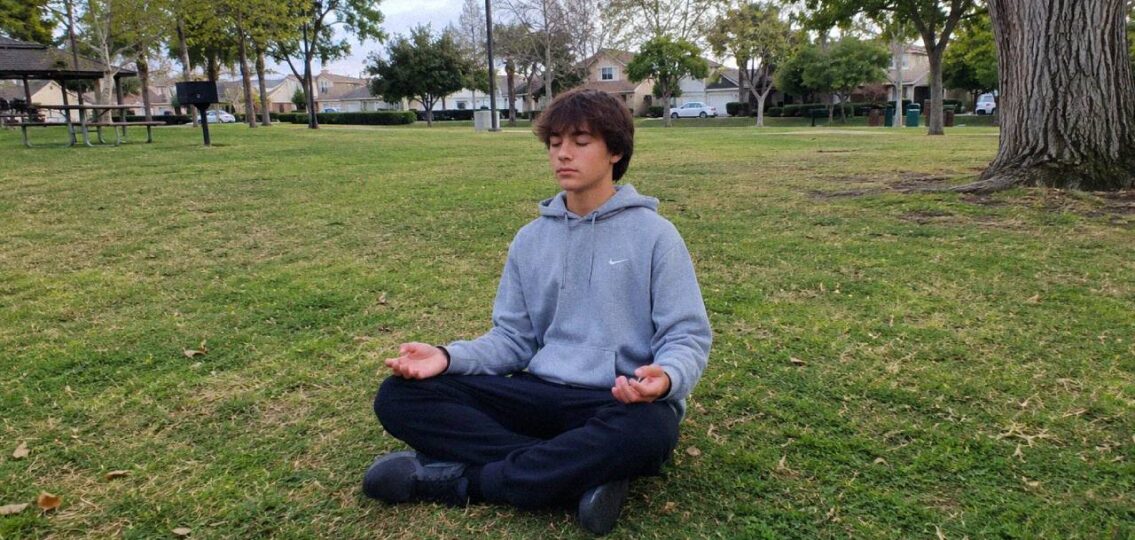
Kids and teens deal with school pressure, social stress, screen overload, big emotions, and busy schedules. Learning simple mindfulness exercises can help them pause, manage stress, and focus on what’s happening right now instead of worrying about the past or future.
Mindfulness doesn’t have to mean formal meditation. It simply means engaging with the current moment rather than focusing on the past or future. Here are some of the best mindfulness exercises for kids and teens.
What Is Mindfulness?
Mindfulness is the practice of paying attention to the present moment without judging it. Instead of worrying about what happened yesterday or stressing about what might happen tomorrow, mindfulness encourages kids and teens to focus on what they are thinking, feeling, and experiencing right now.
Practicing mindfulness can be especially helpful for teens because they’re often juggling schoolwork, extracurricular activities, friendships, family responsibilities, social media, and other everyday pressures. When life feels overwhelming for them, mindfulness techniques can help them slow down, refocus, and become more aware of their thoughts and emotions.
Over time, practicing mindfulness exercises can help kids and teens improve their focus, manage stress, regulate emotions, and develop healthy coping skills they can use throughout their lives.
Mindfulness Exercises for Kids and Teens
Adding mindfulness exercises as a normal part of their day can help teens stay present, release stress, and ease anxious thoughts about the past or future. Here are some of the best mindfulness exercises for teens to try.
5-4-3-2-1 Grounding Exercise
The 5-4-3-2-1 counting exercise requires engaging all of your senses in the present. Teach them to identify:
- Five things they can see
- Four things they can touch
- Three things they can hear
- Two things they can smell
- One thing they can taste
As they engage their senses this way, encourage them to pause and take in the details of each to help ground them in the present.
Single-Tasking Practice
Many kids and teens multitask with phones or tablets, homework, music, and conversation happening around them. Constant multitasking can feel overwhelming and contribute to stress, while single-tasking encourages teens to focus on one thing at a time.
Teens can practice single-tasking by reading for 10 minutes without checking their phone, eating a snack without watching a video, or completing an entire homework assignment before switching tasks. It helps train their attention and helps their brain focus on the present activity.
Mindful Walking
Encouraging kids and teens to focus on the actual experience of walking rather than rushing from place to place helps them stay grounded and in the present. To practice mindful walking, they should pay attention to:
- Their feet touching the ground
- Their legs moving
- The way the air feels
- The sounds around them
Mindful Coloring or Doodling
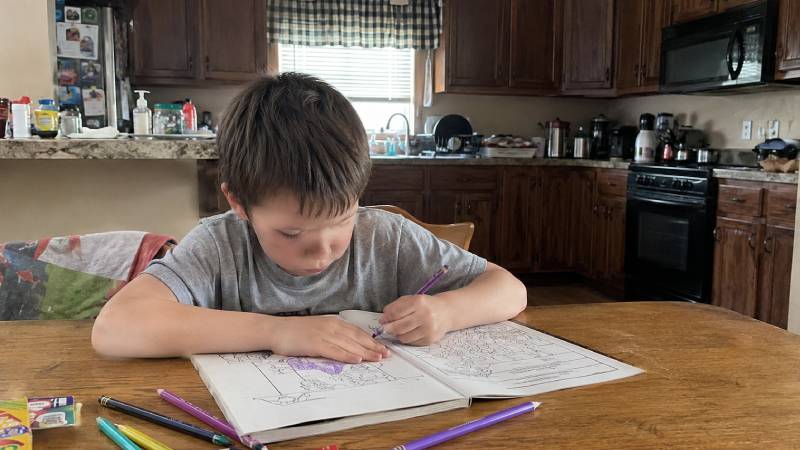
One of the most fun mindfulness exercises for teens and tweens is coloring or drawing. As they do it, encourage them to pay attention to the details of the colors they’re choosing, the shapes they’re making, and the movement of their pencil or crayon. Paying attention to the process can help shift their attention away from worries about the past or future. Getting started is easy, simply grab coloring or drawing pencils, and a piece of paper or coloring page.
Gratitude List
Creating a gratitude list encourages kids to focus on positivity rather than focusing on stress and negativity. Encourage them to write down three things they’re thankful for today, one thing that made them smile, and one person they appreciate. They can start a gratitude journal and do this daily, giving them something happy to look back on when they’re having a bad day.
Mindful Listening
When teens need to pull themselves into the present, they can choose a sound to listen to closely. Some ideas are the birds outside, rain, a calming song, or a fan. They should focus on every detail they hear without doing anything else.
Body Scan
Body scan mindfulness exercises involve noticing physical sensations in the body and releasing tension. Teens should sit or lie in a comfortable position and slowly focus on different body parts, paying attention to how each area feels before moving on to the next. By the time they’re finished, they’ll have scanned their whole body in this order:
- Toes
- Feet
- Legs
- Stomach
- Chest
- Shoulders
- Arms
- Face
One-Minute Breathing Break
This is a quick mindfulness exercise that teens can do anywhere. They simply set a time for one minute and focus only on their breathing. As they breathe, they should focus on each inhale and exhale. If thoughts wander, they should bring their attention back to their breathing.
Box Breathing
This simple breathing technique helps reduce stress and improve focus, which is helpful when teens feel anxious before a test or start getting a case of senioritis. To do box breathing, start by imagining yourself drawing a square, and then repeat this process a few times:
- Inhale for four counts
- Hold for four counts
- Exhale for four counts
- Hold for four counts
Calm-Down Playlist
Music is a helpful mindfulness tool when using specific playlists. Teens can look one up on YouTube or Spotify, or create their own. Choose songs that help them feel relaxed, focused, calm, or happy. As they listen to the calm-down playlist, encourage them to listen to the lyrics, instruments, rhythm, and how it impacts their mood.
How Parents Can Introduce Mindfulness Without Making It Awkward
Some teens might feel a little hesitant or self-conscious trying these mindfulness exercises for the first couple of times. You can make it less awkward for them by modeling it and letting them see you doing it without forcing them. Let them know that it helps with stress relief, focus, and relaxation, and start small, letting them choose what to try and when.
Avoid turning mindfulness into another chore. Teens are more likely to try it when it feels like a helpful tool rather than something they’re required to do.
Final Thoughts on Teen Mindfulness
Mindfulness doesn’t have to mean meditating for long periods of time. For many teens, it can be as simple as taking a short walk, listening to music, focusing on their breathing, or thinking of what they’re grateful for.
The most important part is finding the approach that works for your teen and feels natural and realistic. Encourage them to try different techniques to see what works best for them. These mindfulness exercises for teens can help build healthy coping skills and emotional awareness that benefit them long after their teenage years.